
Andrews County Arrest Warrants Explained
Texas Code of Criminal Procedure Chapter 15 defines an arrest warrant as a written command from a magistrate to take a person into custody. A magistrate issues one only after a complaint or affidavit supports probable cause. The warrant must name the offense. It must also identify the accused, or give a description definite enough to point to one person. The magistrate signs it. In Andrews County, the case level decides where the filing lives. A felony routes through the 109th District Court, while a county misdemeanor, JP matter, or city citation has a different clerk and record path. The document gives officers authority to take the accused in. Once served, the case proceeds under court supervision. Ask counsel or the clerk which cause, court, and bond conditions apply, because a public search result will not supply those terms. Andrews County filings each answer to their own court.
Andrews Complaint-to-Warrant Process
An Andrews County warrant starts with a sworn complaint. That complaint states the offense and swears who the affiant believes committed it. The magistrate then reviews the legal basis. If it holds up, the magistrate may issue a warrant or other authorized process. The clerk keeps the case record at the court level that controls it. The serving agency executes the order. Chapter 15 sets the statewide requirements. It does not create a public Andrews search page, nor does it promise that any complaint or warrant is open to public view. For felony routing, start with the 109th District Court. A complaint begins judicial review; it is not itself a public finding about who committed the offense. A summons or other process may serve where authorized, so the document the court actually issued controls what response is due.
Inside an Andrews County Arrest Warrant
Andrews County publishes no sample arrest-warrant record, number format, bond field list, or local status legend. Texas law fixes the basics. The rest varies by file. A clerk or lawyer can tell you which fields appear in a specific document and whether it is public, sealed, or restricted.
| Warrant or cause number | Andrews format not published; provide a cause number if known. |
|---|---|
| Accused | Name or a reasonably definite identifying description as required by law. |
| Charge | The offense named in the warrant and complaint. |
| Issuing authority | Magistrate and office identified in the court record. |
| Bond or bail | Case-specific; no Andrews countywide bond schedule was located. |
| Issue and service | Ask the clerk or serving office whether a date or return is recorded. |
A service return may later record when and how an Andrews County warrant was executed, though the serving agency and the clerk can hold different copies. Ask each one for its part. The court file covers judicial action; the agency covers execution and booking. A city citation is not a felony warrant document.
Andrews Felony Warrant Files and Clerk
For Andrews County felony cases, the District Clerk keeps the court's records. The office sits at 201 N Main, Room 102. Its published phone is 432-524-1417. The 109th District Court itself is in Room 201, phone 432-524-1419. The court's official page links schedules and orders, but it posts no public active-warrant dashboard. On a possible district-court process, ask which cause and judge control the file. Ask whether a bond condition or setting is pending. Ask how counsel can verify service or a recall. The District Clerk's official page also carries current records and fee information. Judge and clerk split the work. The judge controls orders, while the clerk maintains filings and docket entries. A District Clerk search is the wrong path for a misdemeanor or JP citation. Match the court shown on your notice first. Request copies from that office. If the case is missing from the public docket, ask whether the Andrews County cause is filed under a different number or restricted. Do not ask the District Clerk to interpret probable cause or rule on a warrant's validity. Those questions belong to counsel and the Andrews County court.
Serving Arrest Warrants in Andrews County
Service depends on the issuing court and assignment. It may fall to the Sheriff, a constable, the Andrews Police Department, or another authorized peace officer. The constables' own page says they serve warrants and civil papers and act as Justice Court bailiffs. The Sheriff answers service and booking questions for the county. After an arrest comes booking and the magistrate steps. Bond is then addressed under the court's order. The public pages publish no walk-through, surrender window, or after-hours schedule for Andrews. So call before you go. Confirm arrival instructions, required paperwork, bond procedure, and any hearing time with counsel or the issuing Andrews County court. A clerk's counter cannot accept a surrender or set bond on its own. That takes a judge's order.
Andrews County Officers Serve Different Courts’ Warrants
In Andrews County, the officer at the door rarely holds the file. A constable might serve justice court process, the Municipal Court tracks city citation matters, and the County or District Clerk keeps the actual court file. The Sheriff can still tell you whether county law enforcement has received a process or has booking information. So the answer to a warrant question depends on which office you ask. For a service return, ask the issuing clerk which officer or agency received it. The court's own record governs whether the process is still active, was served, or was recalled. A booking on one case does not clear every other warrant either. Where more than one court matter exists, each issuing clerk may need to confirm the related case plus any bond or release condition. Keep your arrest paperwork. Match the court and cause number against it before following up with any Andrews County clerk.
Comparing Arrest, Summons, and Bench Warrants
Andrews County courts use these papers for different purposes. An arrest warrant authorizes custody once probable cause is found. A summons just sets an appearance date. It does not carry the same command to take a person into custody. A bench warrant usually follows a missed court duty in an existing case, so ask the court which paper was issued and what response it demands.
| Feature | Arrest Warrant | Summons | Bench Warrant |
|---|---|---|---|
| What it directs | Take the accused into custody | Appear as ordered | Respond to a missed court obligation |
| Basis | Probable cause on a complaint | Issuance of an appearance order | Failure to appear or comply |
| Record route | Issuing court and serving agency | Court named on the summons | Court handling the existing case |
| Next action | Confirm counsel, surrender, and bond instructions | Appear by the stated deadline | Ask the issuing court about recall or hearing |
The paper served or mailed to you controls what happens next. A summons does not become an arrest warrant because it sets a court date. Likewise, a bench warrant does not replace the underlying complaint. Ask the named Andrews County court which deadline or hearing applies.
Sealed and Juvenile Andrews Warrants Have Limits
An empty search result proves very little. A sealed indictment or an open investigation can limit what gets released in Andrews County. Texas Family Code §58.010 goes further for juveniles, making a child's arrest warrant and supporting complaint confidential except for authorized disclosures. So do not expect adult citation-portal rules to work here. Restricted or confusing cases call for two calls: your counsel and the court named on any notice. The Texas Public Information Act also permits exceptions for some law-enforcement records. The current Family Code text spells out the juvenile rule. Federal sealed filings and active investigative materials carry their own access limits. When a public docket shows nothing, ask the Andrews County clerk how to search the case or talk to counsel rather than treating the absence as proof that no warrant exists.
Federal Warrants Follow a Separate Andrews Route
Federal cases tied to Andrews County run through the U.S. District Court for the Western District of Texas, Midland-Odessa Division. The U.S. Marshals Service serves those federal warrants. Docket and filing questions go to the federal clerk. A county sheriff or municipal portal does not reach every federal process. The Western District of Texas lists its Midland-Odessa court location and clerk contact.
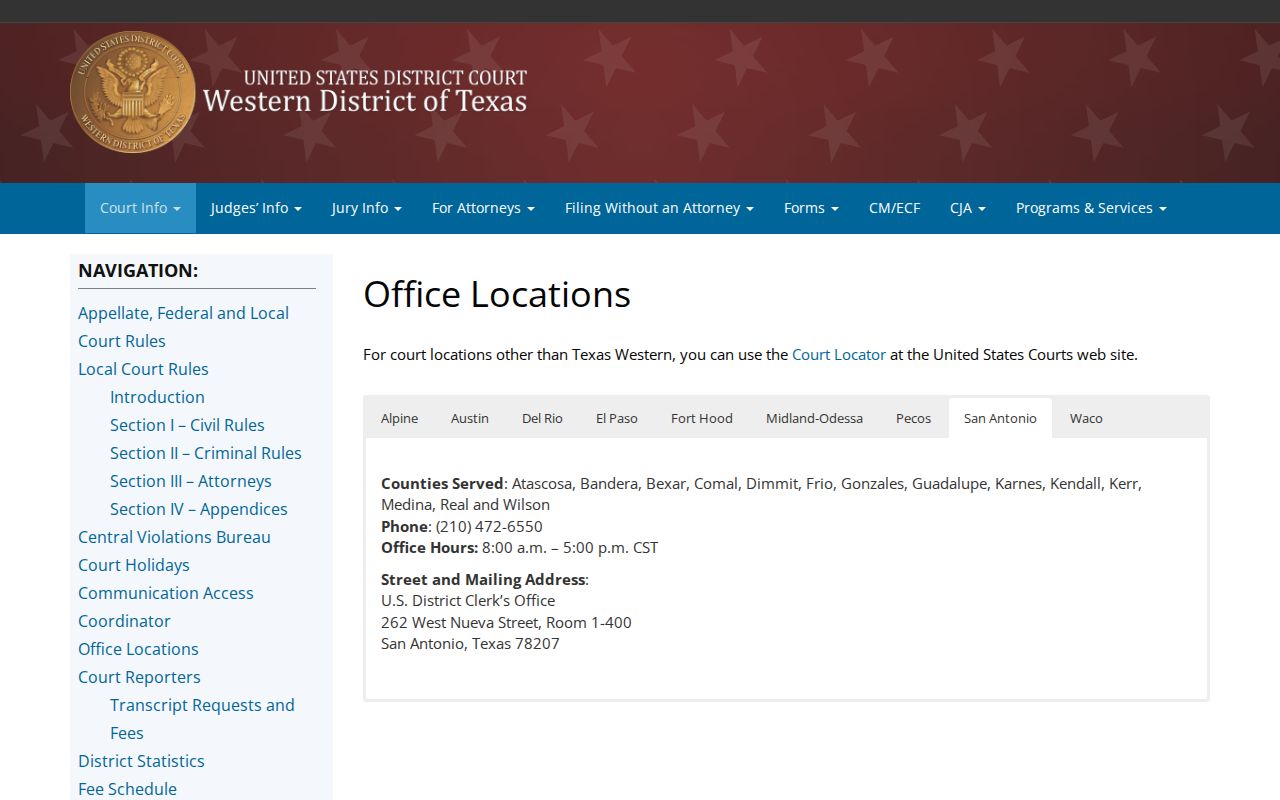
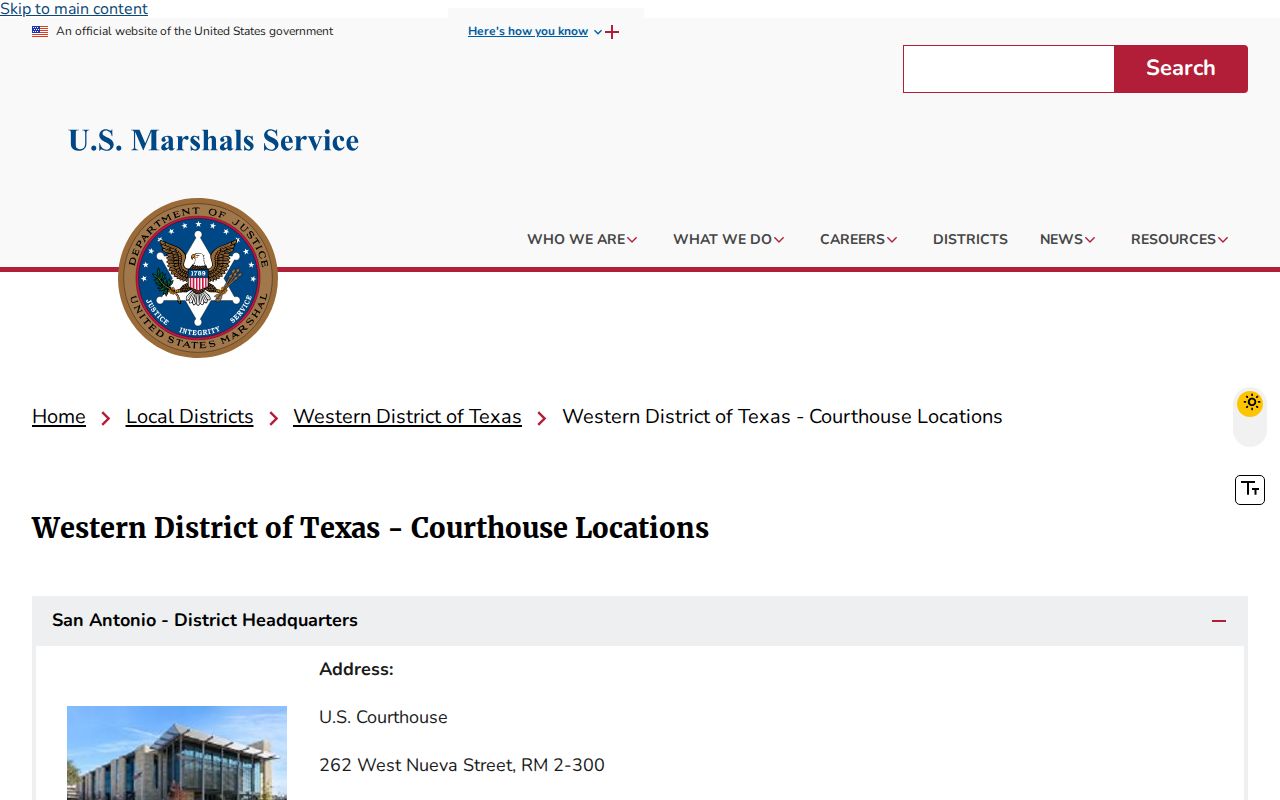
The Midland federal clerk can be reached at 432-686-4001. For enforcement, the U.S. Marshals Service Western District of Texas directory shows its Midland office and 432-686-4100 line, apart from Andrews County warrant records.
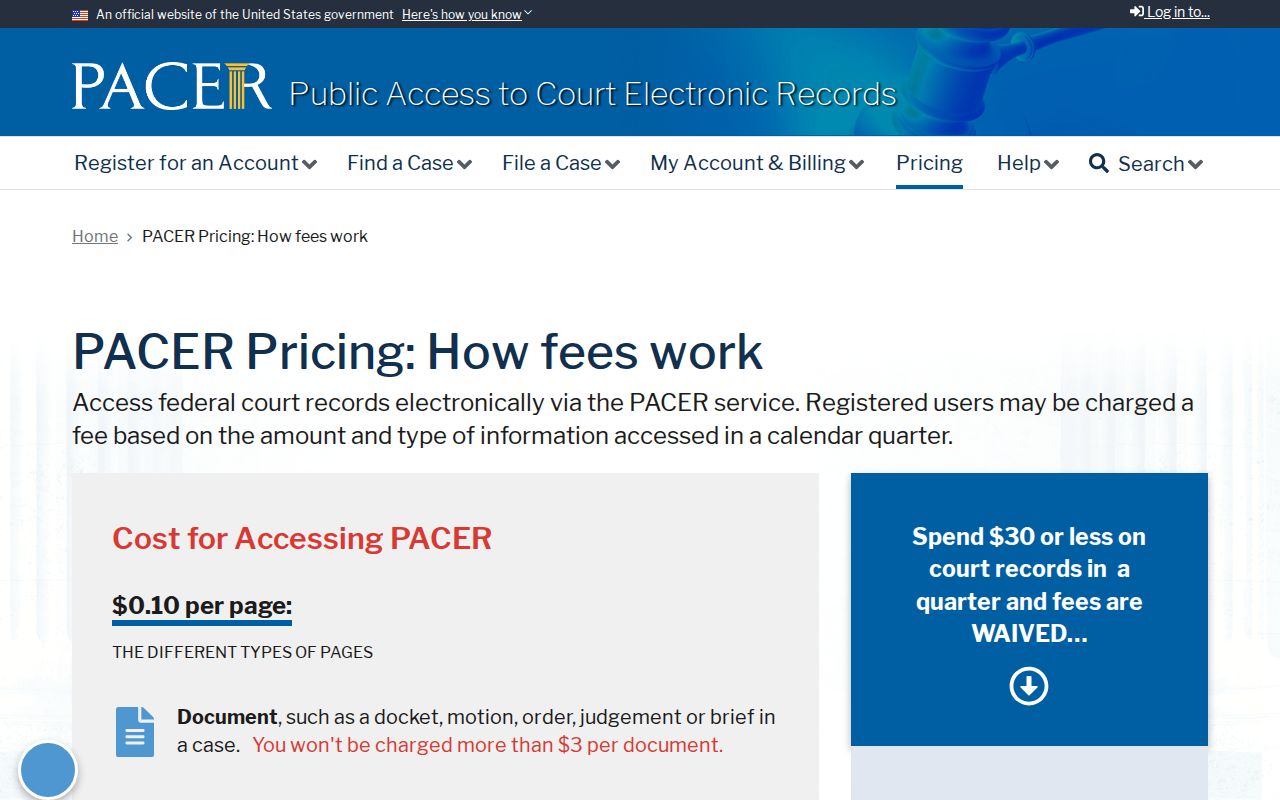
PACER provides access to federal court docket records, but it is a case-record system, not an active-warrant roster. Some filings may be sealed or limited. Confirm status with the clerk or counsel on any Andrews County federal question.
Check federal and county matters separately in every Andrews County warrant search. A result from one jurisdiction cannot establish the status of a warrant issued by another.
If There’s an Arrest Warrant for You
Start with a call. Have the issuing court or your counsel confirm the cause number, warrant type, bond status, and any hearing date. Andrews publishes no single bond chart or standard surrender procedure. The municipal $100 not-guilty bond covers only the city court route for an unadjudicated case. It is not a felony bond figure. A lawyer can ask the Andrews County court about a voluntary appearance, bond, reset, or a motion to recall or quash. A warrant can stay active until the court enters the required order, so hold onto any receipt or signed order and confirm status with the clerk. Do not assume the county clerk can confirm a federal matter. That question belongs to the Midland-Odessa federal court or the U.S. Marshals Service, since federal and state processes run on separate tracks and each court sets its own bond and appearance terms. Never lean on a bond amount from a different charge or court. Confirm the cause number, hearing date, bond terms, and release conditions with counsel or the issuing office. Then keep the signed order or receipt for later status checks.
Important: Speak with counsel before appearing or surrendering, and confirm bond and court instructions with the issuing office.